
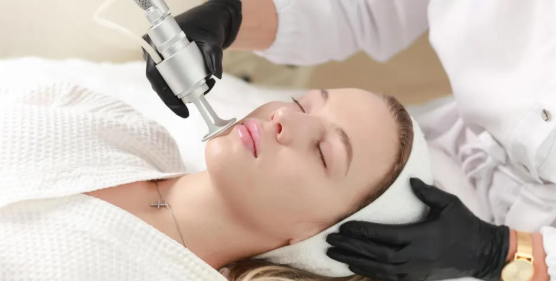
Pharmacy shelves are really crowded these days. There are many serums, masks, toners and overnight treatments to choose from.. The truth is, most people have tried a bunch of products that promised a lot but did not deliver. This is what makes people look for skincare. Laser skin treatment is getting popular in Australia because it actually works on problems that’re too deep for creams and lotions to fix.
The Collagen Trick Your Skin Pulls
Sun damage does far more than cause a tan. Years of UV exposure quietly dismantles the skin’s collagen framework long before wrinkles or pigmentation become visible. By the time the damage shows up on the surface, it has been building underneath for a while. Laser therapy sends a controlled signal into the skin tissue — the body reads it as an injury and responds by producing fresh collagen. That response is the whole point. It sounds backwards, but deliberately triggering the repair process is what makes this approach so effective where surface-level products fall short.
Same Word, Very Different Treatments
Not every laser does the same job. Saying you want laser therapy without knowing which type is a bit like asking for medication without specifying what for. A pulsed dye laser is built for vascular concerns — broken capillaries, persistent redness, rosacea flare-ups. Pointed at a pitted acne scar, it will do almost nothing. A fractional CO2 system handles textural damage and deeper scarring far better, but using it on mild pigmentation is unnecessary and heavy-handed. Clinics that use one device on every skin concern are not tailoring treatment — they are simplifying it, and the results reflect that.
The Patients Who Were Left Out for Too Long
Darker skin tones were excluded from laser skin treatment for a long time, and not subtly. Early laser systems were designed around lighter complexions. Applying them to medium or deep skin tones caused burning, post-inflammatory pigmentation, and occasionally permanent damage. Many people walked away from the category entirely — a completely understandable response. Newer systems have changed the landscape. Technology designed to bypass surface melanin and act at a deeper layer has opened the door for a much wider range of patients. That progress is genuine, though it requires clinics to actually invest in updated equipment, and not all of them have.
Downtime Gets Exaggerated
A lot of people avoid laser treatments because of what they imagine recovery involves. The reality is usually far more manageable. Non-ablative sessions often leave nothing more than mild redness that settles within hours. Even more intensive ablative procedures do not demand weeks of hiding — they demand sensible behaviour. Staying out of direct sun, skipping heavy makeup, avoiding active skincare ingredients until the skin has stabilised. Where people genuinely go wrong is rushing back to their normal routine before the skin has finished what it started. The treatment initiates a process. What happens in the days after determines how well that process completes.
Results Come Later Than Expected
Laser skin treatment does not deliver a dramatic overnight result. That is not a flaw — it is how collagen remodelling works. The skin several months after a session is often noticeably different from how it looked in the weeks immediately following treatment. Most people underestimate this because they stop watching closely once the initial redness fades. Taking photographs before treatment starts and continuing to track at regular intervals shows a far more accurate picture of what has shifted. Expecting fast results and declaring the treatment ineffective after a few weeks is one of the most common — and avoidable — mistakes.
Conclusion
Laser skin treatment is popular because it works. If you have skin problems, like scars, sun damage or dark spots you need something that can fix them at the root. Laser treatment is precise. That is what makes it effective. It takes time to see the results. It is worth it. For people who have tried products without seeing any change laser skin treatment is the answer.