
Most facility managers already know conveyors move things faster. That part is not worth writing about. What actually deserves attention is why so many facilities that installed these systems years ago are now quietly redesigning them — and what that pattern reveals about how the technology performs in real conditions versus how it gets sold.
Pallet conveyor systems solve a specific problem well. Predictable, high-volume movement of uniform loads. The trouble begins when facilities treat them as a universal answer rather than a tool with clear limits.
The Bottleneck Relocates
Here is something facilities only learn after go-live. The bottleneck does not disappear — it moves. Before installation, the floor crew is the slow point. Afterwards, it becomes the accumulation zones, the end-of-line staging areas, or the transfer points where conveyors hand off to forklifts. Facilities that see the strongest long-term gains are the ones that mapped these secondary choke points before the system went in. Not after.
Gravity Sections Still Earn Their Place
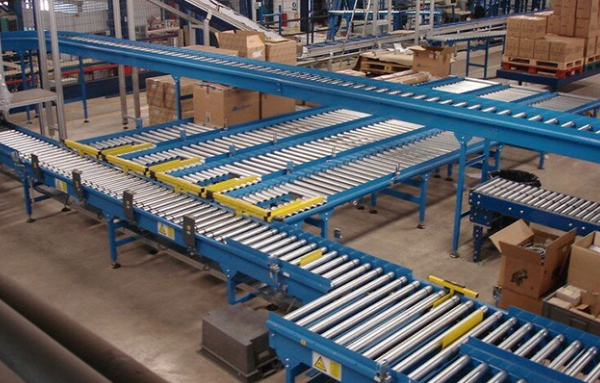
Powered roller systems attract most of the attention, but gravity-fed sections remain genuinely useful in the right parts of a facility. Pick-and-pack areas and dispatch lanes where loads travel short distances on a slight decline are a good example. Pairing powered and gravity sections thoughtfully reduces energy draw across the whole system. It is not headline engineering. But it makes a real difference in daily running costs and wear patterns over time.
Load Consistency Is Non-Negotiable
Pallet conveyor systems are built around assumptions — pallet dimensions, load weights, centre-of-gravity positions. When those assumptions break down in practice, and they do break down regularly, the results range from jams to mid-line product topples to conveyor damage. The facilities that run cleanest enforce load standards at the point of palletisation. Not at the conveyor entry point when correction is already too late.
Integration Is Where Projects Fail
The conveyor itself rarely fails outright. The integration between its control system and the warehouse management software is where projects quietly come apart. Triggering a line stop when an order gets flagged, syncing speeds with upstream picking rates, managing queue logic during peak periods — none of this works reliably without serious upfront alignment between the mechanical team and the software team. Those two groups often operate in completely different frameworks, and that gap costs more time than most project plans account for.
Maintenance Patterns Reveal Design Flaws
A well-configured pallet conveyor system should not produce recurring failure points. If the same roller section needs attention repeatedly, or the same transfer corner keeps jamming, that is not a maintenance problem. It is a design problem that was never properly addressed at commissioning. Facilities that track maintenance patterns by zone rather than by total downtime hours tend to catch these issues earlier and fix them at the source rather than patching symptoms indefinitely.
Line Speed Is Usually Set Wrong
Line speed gets configured during commissioning and rarely gets revisited. Running conveyors at full rated speed is not always the right call. Slower speeds through accumulation zones reduce impact force on arriving pallets, extend roller life, and bring noise levels down on the floor. Many facilities find that modest speed reductions in specific zones have no meaningful effect on throughput but reduce cumulative wear significantly across a full year of operation. That trade-off rarely gets discussed during the sales process.
Operator Familiarity Matters More Than Spec Sheets
Technology does not run a facility. People do. A system that floor staff understand intuitively will outperform a more sophisticated system that nobody has been trained on properly. The best-performing facilities make sure operators understand how the whole system behaves under load, what normal rhythms look and sound like, and when to escalate a problem versus work through it independently. That kind of floor-level confidence does not come from a handover manual. It comes from deliberate, ongoing training.
Conclusion
The conversation around pallet conveyor systems tends to stay shallow — faster, safer, more consistent. All true, but not especially useful for someone making a serious investment decision. Facilities that extract genuine long-term value treat installation as the beginning of the work, not the end. Ongoing calibration, realistic integration planning, and understanding where bottlenecks migrate after automation — that is where the real return lives, and it is what most published guides consistently leave out.