
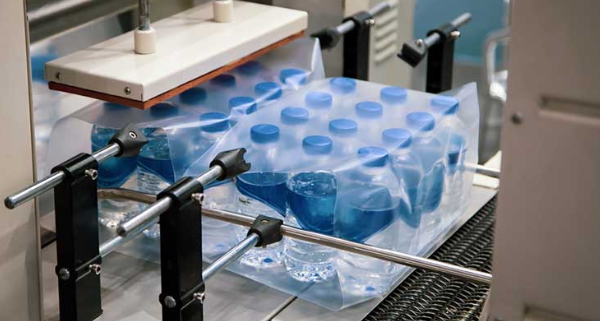
Most businesses think about packaging only when something goes wrong — a damaged shipment, a returned pallet, a shelf display that looks like it survived a lorry crash. By that point, the cost is already paid. What rarely gets discussed is how a shrink film wrapping machine quietly prevents these problems before they even begin and why the companies getting the most out of it are the ones who stopped treating it as just another piece of kit on the floor.
The Film Gauge Problem Nobody Talks About
Choosing the wrong film thickness is where most operations quietly bleed money. Go too thick and you’re spending more than the product justifies. Go too thin and the film tears mid-line, halting output and frustrating operators. The real insight here is that film selection should be driven by the product’s weight distribution, not its dimensions. A lightweight but awkwardly shaped item — think a boxed toy with sharp corners — punishes thin film far more than a heavier but uniformly shaped carton. Getting this right often reduces film-related line stoppages dramatically.
Heat Tunnel Settings Are the Hidden Variable
Most operators set the tunnel temperature once and forget it. That’s understandable on a busy floor, but it’s also the reason so many wrapped products come out with dog-eared corners, fisheye bubbles, or film that hasn’t fully contracted on one side. Temperature and conveyor speed work together — and they need to be adjusted when the product changes, when ambient workshop temperature drops in winter, or even when film rolls switch between batches. A shrink film wrapping machine running at the right calibration doesn’t just look better; it uses less energy and wastes less film per cycle.
What Retail Buyers Actually Notice
Supermarket and retail buyers inspect packaging before they list a product. They’re not just looking at the brand design — they’re checking whether the film sits flat, whether there are stress marks around the corners, and whether the seal points are clean. A poorly wrapped product signals inconsistency in the production process, and that doubt extends to the product inside. Brands that have moved to tighter wrapping tolerances report fewer delisting conversations and smoother re-order negotiations. The packaging becomes part of the credibility argument, not just the delivery mechanism.
Where Automation Genuinely Changes the Maths
Manual wrapping works until it doesn’t. The breaking point usually isn’t speed — it’s consistency. Two operators wrapping the same product on the same shift will produce noticeably different results by the afternoon, particularly on complex shapes. Automated shrink film wrapping machines eliminate that variance entirely. But the less obvious gain is in changeover time. Modern L-bar sealers and sleeve wrappers can switch between product formats in minutes rather than half a shift, which matters enormously for businesses running mixed SKUs or short seasonal runs.
The Tamper-Evidence Angle Retailers Underuse
Shrink film provides genuine tamper evidence, but many brands don’t actually communicate this to the end consumer. A perforated tear line or a printed seal indicator on the film turns the packaging into a trust signal at the point of sale. It’s particularly relevant in health, food supplement, and personal care categories where consumer anxiety about tampered products is higher than most brands acknowledge. The film itself doesn’t change — but how it’s used and printed makes a measurable difference to purchase confidence on shelf.
Conclusion
Shrink wrapping is rarely the first thing a production manager wants to revisit, but it’s often where operational savings and quality improvements are hiding in plain sight. A well-configured shrink film wrapping machine, running the right film at the right settings, does far more than seal products — it reduces waste, supports retail relationships, and sends a quiet but clear message about manufacturing standards. The businesses that treat it seriously, rather than just functionally, tend to notice the difference in places that actually matter: fewer rejections, cleaner shelf presence, and less firefighting on the production floor.