Most people don’t think much about how well their bodies move until something starts hurting. A stiff back after sitting at a desk, a sore knee after a weekend walk or shoulder pain that makes simple tasks uncomfortable can slowly become part of everyday life. Many people learn to work around these problems rather than address them.
However, physical discomfort shouldn’t become something you simply accept. Looking after your body, maintaining mobility and responding to injuries early can make a significant difference to your quality of life.
The Importance of Keeping Your Body Moving
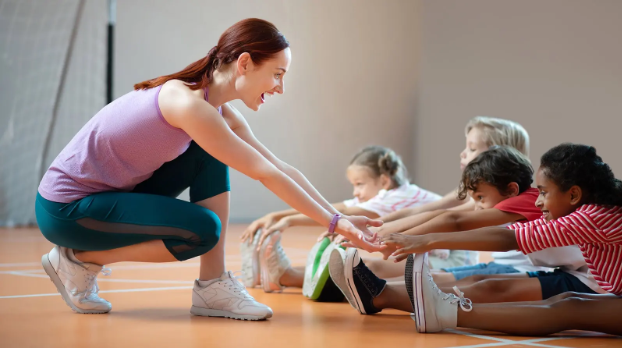
Regular movement plays an important role in maintaining physical health. Walking, swimming, cycling, strength training and stretching all help keep muscles active and joints functioning properly.
An inactive lifestyle often contributes to stiffness, reduced flexibility and muscle weakness. Spending long hours sitting at a desk, driving or working in the same position places repeated demands on certain parts of the body.
The solution doesn’t always require an intense workout routine. Small changes, such as taking regular walking breaks, using stairs, stretching between tasks and staying consistent with light exercise, help build healthier habits.
The key is finding activities you enjoy and making movement part of your daily routine.
Don’t Ignore Small Aches and Pains
A minor ache might seem harmless at first. You might experience discomfort after gardening, lifting something heavy or playing your favourite sport. Often, people wait for the pain to disappear on its own.
While some soreness settles with rest, recurring pain deserves attention. Continuing activities without understanding the cause of discomfort sometimes makes recovery more difficult.
For example, knee pain might be related to muscle weakness, changes in activity levels or movement patterns. Similarly, persistent back discomfort might involve several contributing factors rather than one isolated problem.
A proper assessment helps identify what is happening and determines the most suitable approach to recovery.
Physiotherapy Is About More Than Recovering From Injuries
Many people associate physiotherapy with rehabilitation after surgery or a sports injury. However, its role extends much further.
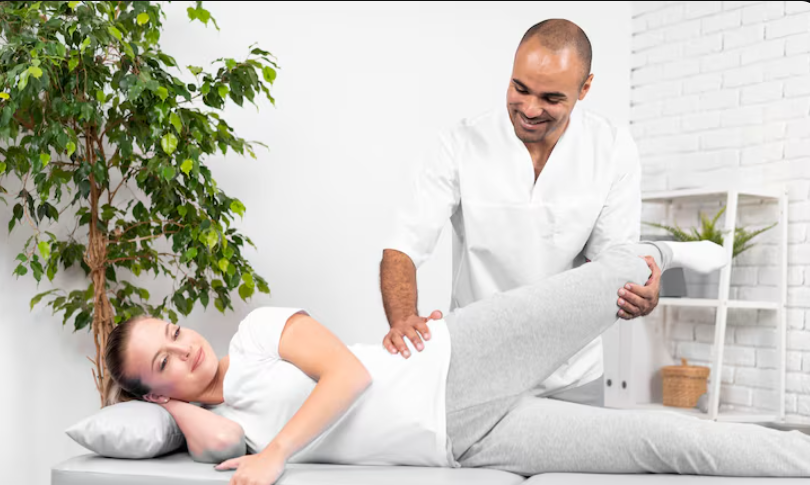
Physiotherapists assess movement, strength, flexibility and physical limitations to understand how the body functions. They then recommend treatment and exercises based on individual needs.
For people dealing with ongoing discomfort, physiotherapy provides an opportunity to address the underlying factors contributing to their symptoms. It also helps individuals regain confidence in everyday movements.
Those looking for Physio Hillarys services, for example, have access to a range of treatment options through Move Forward Physio, including hands-on treatment, sports physiotherapy, exercise rehabilitation and Clinical Pilates.
Having access to different treatment approaches makes it easier to develop a recovery plan around individual goals, whether someone wants to return to sport, improve everyday mobility or manage a recurring physical problem.
The Role of Exercise in Long-Term Recovery
Rest is sometimes necessary after an injury, but staying inactive for too long isn’t always helpful. Appropriate exercise plays an important role in rebuilding strength, improving flexibility and restoring normal movement.
The right exercises depend on the injury, physical condition and recovery stage.
Someone recovering from a knee injury might need to focus on strengthening the muscles around the joint. Another person experiencing back discomfort might benefit from exercises that improve core strength, coordination and movement control.
Clinical Pilates is one approach used to develop strength, balance, flexibility and body awareness. Unlike general exercise classes, physiotherapist-led Pilates can be adapted to suit different physical abilities and rehabilitation goals.
Consistency matters more than intensity. Following a suitable programme and gradually increasing activity levels often provides a better foundation for lasting progress.
Staying Active as You Get Older
Ageing naturally brings changes in muscle strength, flexibility, balance and joint function. However, reduced mobility doesn’t have to become an unavoidable part of getting older.
Maintaining an active lifestyle helps people preserve independence and continue enjoying activities they value.
Balance training, resistance exercises and regular walking are particularly useful for maintaining physical function. Falls prevention programmes also help older adults work on stability, coordination and confidence when moving around.
The goal isn’t necessarily to become fitter than everyone else. It’s about remaining capable of doing everyday things comfortably, from climbing stairs to shopping, gardening and spending time with family.
Sports Injuries Need a Thoughtful Recovery Plan
Whether someone plays competitive sport or enjoys an occasional game with friends, injuries can interrupt an otherwise active lifestyle.
Muscle strains, ligament injuries, tendon problems and joint pain are common concerns among physically active people. Returning to sport too quickly without restoring adequate strength and movement control can increase the risk of further problems.
Sports rehabilitation focuses on more than reducing pain. It also considers strength, flexibility, balance, coordination and the physical demands of the activity.
A gradual return-to-sport programme helps individuals rebuild confidence and prepare their bodies for the movements they need to perform.
This approach is particularly important for people who want to return to running, golf, football, netball or other activities without constantly worrying about another injury.
Finding the Right Support for Your Physical Health
Choosing the right physiotherapy support involves more than finding somewhere to receive treatment. A good recovery experience starts with understanding your concerns, listening to your goals and developing a plan suited to your circumstances.
An initial assessment should consider your symptoms, movement patterns, medical history and daily activities. From there, your physiotherapist can recommend appropriate treatment and exercise options.
Move Forward Physio provides physiotherapy and Clinical Pilates services at its Hillarys clinic, located inside Westfield Whitfords City. Its team works with people experiencing different physical conditions and activity-related injuries, with services including sports physiotherapy, dry needling, shockwave therapy, hydrotherapy, women’s health physiotherapy and falls prevention.
The clinic also supports people from nearby communities, including Sorrento, Duncraig, Padbury and Mullaloo.
Having a clear treatment plan, realistic goals and regular progress reviews helps keep recovery focused and manageable.
Make Physical Wellbeing Part of Everyday Life
Taking care of your physical health doesn’t need to involve dramatic lifestyle changes. It starts with paying attention to your body, staying active and addressing discomfort before it begins affecting your everyday routine.
Make time for movement, build strength gradually and avoid ignoring recurring pain. If an injury or mobility problem is holding you back, seeking professional advice is a sensible step towards understanding the issue.
Your body supports everything you do, from working and exercising to enjoying time with friends and family. Giving it the attention it deserves today helps you stay active and independent for years to come.