
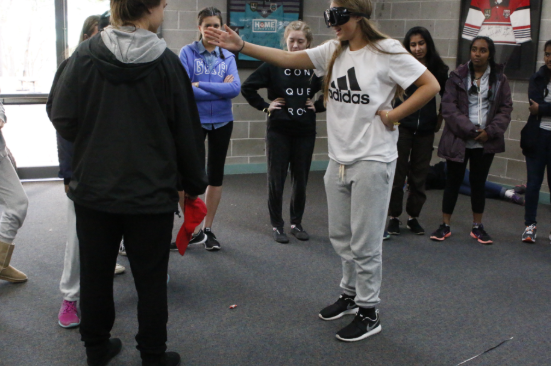
Some of the best learning happens when nobody is expecting it. A stranger walks into the room, sets something up at the front, and suddenly thirty kids who were half-asleep are sitting forward in their chairs. That is not magic. That is what incursions for schools actually do when they are done well — and it is worth understanding why they work, not just assuming that they do.
Familiarity Kills Curiosity
Classrooms are predictable spaces. Children adapt to that predictability faster than most adults realise. The routine becomes invisible, and once something becomes invisible, it stops registering. Incursions interrupt that. Not because they are flashy, but because the brain genuinely cannot ignore something unfamiliar. That moment of mild surprise is actually a learning window — and skilled facilitators know exactly how to use it.
The Expert Effect Is Underrated
Students filter information through the source it comes from. A teacher saying something carries one kind of weight. An outside specialist saying the same thing carries a completely different kind. It is not fair, and teachers know it, but it is real. Someone who works in marine biology, or builds sustainable housing, or performs traditional dance professionally — that person’s words land differently. The classroom walls feel further away.
Hands-On Beats Read-About
Most schooling still follows a familiar sequence. Explain, then practise, then assess. Incursions for schools tend to reverse that. Students often experience something first and make sense of it afterwards. That order matters more than it seems. When understanding follows a real experience, it has somewhere to attach. Abstract knowledge explained before experience often just evaporates.
Quiet Students Often Surprise Everyone
There is a particular student in most classes — disengaged, withdrawn, occasionally disruptive. Incursions have a strange habit of reaching that student first. A different format, a different voice, a room that does not feel like a lesson — something shifts. Teachers regularly report watching a student they have struggled to connect with suddenly lead a group activity or ask the most insightful question of the session. That kind of moment does not come from a worksheet.
Teachers Learn Too
This part rarely gets discussed. When a skilled facilitator runs a session, they are not just delivering content to students. They are modelling something — pacing, responsiveness, the ability to read a room and adjust without losing momentum. Teachers absorb this. Many quietly acknowledge that watching a great incursion changed how they approach a topic they have taught for years. Professional development happens in strange places.
Cultural Incursions Do Heavy Lifting
A textbook chapter on First Nations history covers facts. An elder sharing story on Country covers something else entirely — presence, relationship, a way of knowing that is not transferable through print. Children who sit in those sessions carry questions away that they would never have thought to ask otherwise. Schools that treat cultural incursions as a genuine priority, rather than a calendar obligation, see a measurable difference in how students engage with everything connected to it.
Wellbeing Sessions Work Better In Person
Topics like consent, mental health, and respectful relationships are genuinely difficult to teach well. Printed resources rarely create the conditions needed for honest engagement. A trained facilitator who can read the room, respond to what students are actually saying, and hold a safe space within a single session achieves something that months of passive delivery cannot. The format is not incidental to the outcome — in these sessions, it is the outcome.
Conclusion
Incursions for schools are not simply a break from normal classes. They are a different set of conditions — and conditions shape learning more than content does. Children remember what felt real. They apply what they experienced with their own hands or heard from someone who actually lives it. In a school day filled with information, the things that cut through are rarely the things delivered in the usual way. Incursions cut through. That is reason enough.