
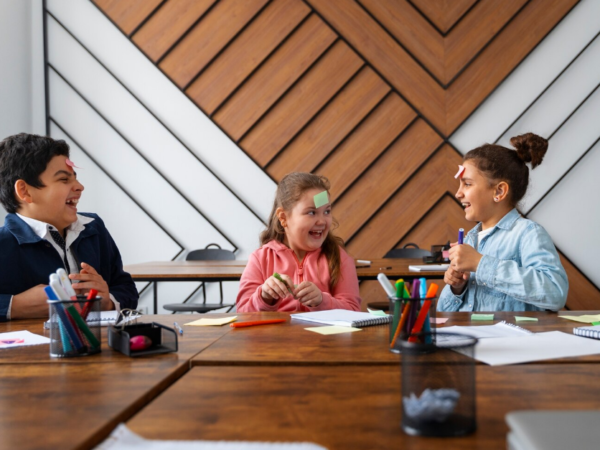
Education is changing as families look for learning environments that respond to individual needs rather than forcing every student into the same structure. Smaller learning communities have become popular because they offer flexibility, personal attention, and a strong sense of belonging. Parents want their children to feel confident, supported, and motivated, and this type of setting allows learning to happen at a pace that feels natural instead of rushed or restrictive. Students benefit when education is designed around who they are, how they learn, and what inspires them.
Lighthouse Learning Microschool represents this shift toward thoughtful and flexible education by focusing on student growth rather than rigid systems. Instead of crowded classrooms, learners engage in small groups where their voices are heard and their ideas matter. Teachers are able to observe progress closely and adapt lessons to meet academic and emotional needs. This approach helps students feel seen and valued, which plays a major role in building confidence and curiosity. When learners are encouraged to ask questions and explore topics deeply, education becomes meaningful rather than mechanical.
Flexible academic growth means more than adjusting schedules. It involves creating learning pathways that respect individual strengths while supporting areas that need improvement. In a microschool setting, students are not labeled by grade level alone but by readiness and interest. This allows them to move forward when they are prepared and spend more time mastering concepts when needed. Such flexibility reduces pressure and helps students develop resilience, responsibility, and a positive relationship with learning.
Another important aspect of this model is the connection between educators and families. Parents are often more involved and informed, creating a partnership that supports the child both academically and emotionally. Communication tends to be open and consistent, allowing goals to be aligned and challenges addressed early. This collaborative environment helps students feel supported from all sides, reinforcing trust and stability. When families and educators work together, learning extends beyond the classroom into everyday life.
The learning environment itself also plays a significant role in student success. Calm, organized spaces designed for small groups encourage focus and creativity. Students are more comfortable expressing ideas, participating in discussions, and working collaboratively. This sense of psychological safety supports healthy social development alongside academics. Students learn to respect different perspectives, manage conflicts, and work as part of a community, skills that are essential for long term success.
Lighthouse Learning Microschool places emphasis on developing the whole child, not just academic performance. Social skills, emotional awareness, and critical thinking are woven into daily learning experiences. Projects often encourage problem solving, collaboration, and real world application, helping students understand why what they are learning matters. This practical connection keeps students engaged and motivated, reducing burnout and disengagement often seen in traditional settings.
As education continues to evolve, families are seeking options that align with their values and their children’s needs. Flexible academic growth allows students to thrive without being confined by outdated systems. With smaller class sizes, adaptable instruction, and a strong community focus, learners are empowered to take ownership of their education. This type of environment fosters independence while still providing guidance and structure.
Choosing a microschool is often about more than academics. It is about finding a place where children feel confident, capable, and excited to learn. Lighthouse Learning Microschool offers an approach that prioritizes growth, flexibility, and meaningful connection, helping students build a strong foundation for lifelong learning while honoring their individuality.