
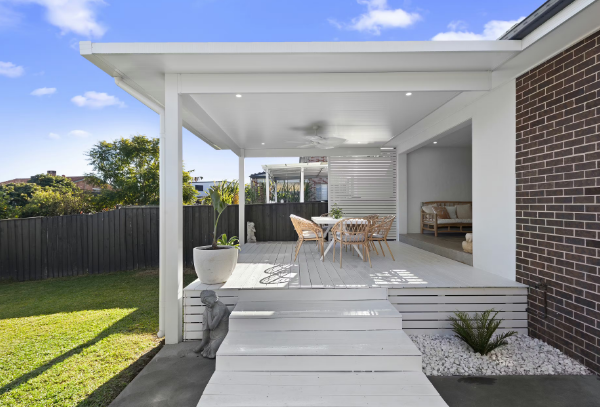
Every Aussie has either done it or knows someone who has. You get a quote for an outdoor build that’s way cheaper than the rest and decide to go with it. The backyard looks good on day one. Beers are poured. Someone fires up the barbie. Life’s sweet. Then summer hits properly, and that “bargain” build starts asking for attention. Again and again. This is where a lot of homeowners realise that cheap outdoor builds don’t really save money. They just spread the cost out in smaller, more annoying chunks. Even popular upgrades like aluminium pergolas can end up expensive if the thinking behind the build is rushed or purely price-driven.
Australia is a tough place for anything built outdoors, and cutting corners tends to blow up in your face the hard way.
Cheap Materials vs Aussie Conditions
Our climate isn’t gentle. UV levels are brutal with storms rolling in sideways, and if you’re anywhere near the coast, salt is always floating through the air.
Cheaper materials often look fine at the start. You see that smooth timber, fresh paint, and shiny fixings. But once they’re exposed to heat cycles and moisture, they start to weaken. Timber warps. Steel starts to rust. Coatings start fading more quickly than expected.
This is why builders often steer homeowners toward aluminium structures for outdoor use because they hold their shape, don’t rot, and don’t need constant upkeep. When the material matches the conditions of your climate, you certainly would not be doing any repairs over the weekend.
The Planning Stage Most Homeowners Rush (And Regret Later)
Planning is always dull. You find it unnecessary to measure twice when you’re keen to get started. That’s how homeowners end up guessing spans and eyeballing levels only to realise that halfway through, something doesn’t quite fit.
Poor planning leads to waste. You could end up with extra materials and having to redo footings. It all adds up. That’s why using a deck calculator prevents the sort of mistakes that don’t show up until money’s already spent. It also forces you to think about load, spacing, and size in a more realistic way.
The cheapest builds often cost more because they skip this step. The “get it done quickly” mindset usually comes back around to bite you in one way or another.
Maintenance Costs Nobody Budgets For
Upfront price is easy to see, but maintenance isn’t. It sneaks into your bills over the years.
Paint needs touching up. Timber needs sealing. Bolts loosen. Boards crack. You tell yourself it’s no big deal and that it’s just a small fix. Then it happens again next season and the season after that. The real cost isn’t only money here. It’s also your time. You lose so many weekends to these repairs.
This is where low-maintenance options start making sense. For example, aluminium pergolas don’t need staining or repainting every year. They don’t swell or shrink. They do their job while you get on with yours.
Choosing a material that requires less upkeep doesn’t mean that you’re cutting corners. It just means you’ll have to deal with fewer repairs down the line.
Safety, Compliance, and Insurance Headaches
Cheap builds often skip details that matter, like footings that aren’t deep enough, fixings that aren’t rated, or designs that don’t quite meet council requirements.
If something fails, or worse, someone gets hurt, insurance questions get uncomfortable very quickly. Non-compliant work can void coverage. You’ll realise here that saving that few grand upfront wasn’t a very clever move at all.
That’s why it is crucial to do things properly from the start so you can sleep better when the wind picks up.
What Aussies Say They’d Do Differently Next Time
Talk to homeowners who’ve rebuilt outdoor spaces twice, and you’ll hear the same themes pop up:
- Spend more upfront, spend less later.
- Choose materials suited to local conditions.
- Plan before buying anything.
- Think about use, not just looks.
People don’t regret building well. They regret rebuilding. You don’t want to buy something that would fall apart halfway through the summer. You wouldn’t find yourself feeling very smug when you have to replace it three times.
Conclusion
Outdoor spaces should be a place for you to relax and unwind, maybe even entertain friends and family over the weekend, without having the mess of it in the house. Cheap builds promise quick wins, but they rarely deliver long-term comfort. Thoughtful planning, realistic material choices, and a clear view of future upkeep usually lead to better outcomes and fewer headaches.
Build once. Build smart. Then actually enjoy the space. That’s the part homeowners remember wishing they’d done from the start.