
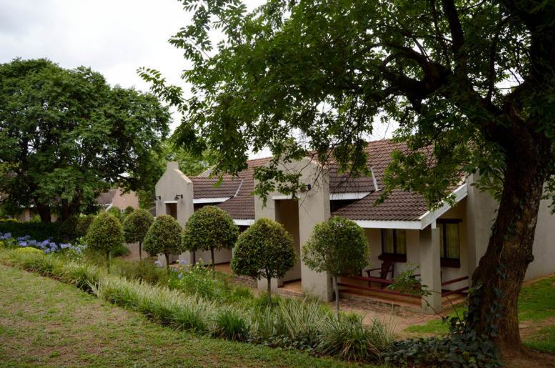
Most travellers who end up in Tzaneen will tell you the same thing afterwards— they had no idea it was going to be like that. Not because the town hides anything. Nothing in the standard South African travel conversation simply prepares you for a place this green, so quiet, and so genuinely itself. The Magoebaskloof escarpment catches clouds that never reach the dry bushveld below. The forests here have not been planted for tourism — they simply never left. Choosing the right accommodation in Tzaneen determines whether a visitor gets to experience that unhurried reality from the inside or merely glimpses it through a car window whilst passing through.
The Rainfall Changes Everything
Limpopo has a reputation for heat and dust that is entirely accurate — except here. Tzaneen sits in an orographic rainfall zone where moisture-laden air from the east hits the escarpment and rises, cooling as it climbs. It releases rain with a consistency that transforms the surrounding landscape into something that looks borrowed from another province entirely. The air feels noticeably different the moment you arrive. Mornings carry a particular quality of light through the mist that the dry bushveld simply cannot produce. That microclimate is not incidental to the Tzaneen experience. The Tzaneen experience is unparalleled.
Tea at Altitude Tastes Different
The Magoebaskloof tea estates rank amongst the highest-altitude tea-growing operations in southern Africa. Altitude genuinely affects flavour in ways that are measurable rather than merely claimed by estate marketing. Cooler temperatures slow leaf growth, which concentrates the compounds responsible for flavour and aroma considerably. The result is a cup that carries more complexity than lowland-grown equivalents. Visitors who take estate tours here are not simply watching leaves being picked. They are observing an agricultural operation that depends on a very specific convergence of elevation, rainfall, and temperature — a convergence that exists in remarkably few places across the entire continent.
Modjadji Is Not a Side Trip
Accommodation in Tzaneen positioned with regional access puts the Modjadji cycad reserve within easy reach. This matters more than most travel guides acknowledge. The cycads growing here are not simply old — some specimens were alive during periods of history that most people only encounter in textbooks. The Rain Queen tradition associated with this landscape carried documented diplomatic weight that stretched across southern Africa for a very long time. Neighbouring kingdoms sent envoys. The rain-making authority attributed to the Balobedu monarchy shaped political relationships across an enormous region. Arriving at the reserve without that context is like visiting a cathedral without knowing what a cathedral actually is.
The Letaba River Rewards Patience
The Letaba River flows through Tzaneen with a character shaped by rainfall. During the months it flows strongly and carves through the landscape. In the season it reveals rock formations and river pools with minerals in amazing colours. Staying locally lets you see the river at times. Early morning when the light is low and flat and late afternoon when the vegetation deepens against the fading sky. A day trip just doesn’t give you that experience.
What Farm Proximity Actually Means
The subtropical agricultural belt around Tzaneen grows produce that many African supermarkets sell as premium imports. Litchis, macadamia nuts, avocados and mangoes grown here travel distances to local markets. They arrive in condition because they don’t have to travel far. Staying near the farming belt gives you access to farm stalls where the produce’s really fresh. That proximity changes how food tastes and how a place feels. Grounded, productive and genuinely alive.
Conclusion
Tzaneen does not perform for visitors. It simply continues being what it has always been — agricultural, forested, rain-soaked, and quietly extraordinary. The right accommodations in Tzaneen put a traveller in that reality rather than merely adjacent to it. The escarpment mist, altitude-grown tea, ancient cycads, and the river at first light are not just highlights on a packaged itinerary. They are what happens when you stay somewhere long enough to actually pay attention.