
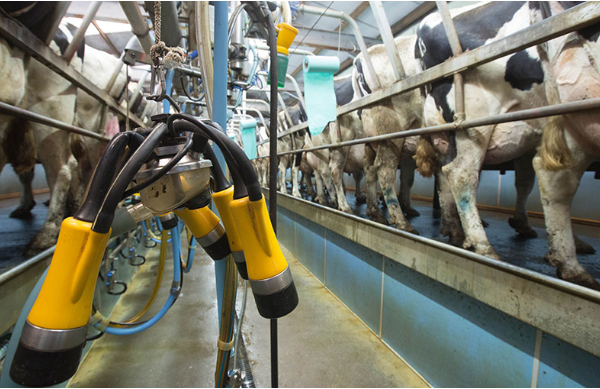
Dairy farming has changed greatly over the years, especially with the use of modern tools and machines. One of the most important developments in this field is the use of cow milking equipment. These systems have helped farmers save time, reduce hard physical work, and improve the overall quality of milk. By replacing manual milking methods with reliable machines, dairy farmers can manage their farms more smoothly and focus on better herd care and farm growth.
Understanding Cow Milking Equipment
Cow milking equipment refers to machines designed to collect milk from cows in a clean and controlled way. These systems usually include milking machines, vacuum pumps, milk lines, and storage units. The main goal is to make the milking process faster, safer, and more comfortable for both the farmer and the animal. Instead of hand milking, which is slow and tiring, these machines gently extract milk using steady pressure and suction.
Saving Time and Reducing Labor
One of the biggest advantages of using cow milking equipment is the amount of time it saves. Milking by hand takes a long time, especially on farms with many cows. With machines, several cows can be milked at the same time, which greatly reduces the daily workload. This allows farmers and workers to complete milking sessions quickly and spend more time on other important farm tasks such as feeding, cleaning, and animal health checks.
Improving Milk Quality and Hygiene
Cleanliness is very important in dairy farming, and cow milking equipment plays a major role in maintaining high hygiene standards. Modern machines are designed to limit human contact with the milk, which lowers the risk of contamination. The equipment can be cleaned and sanitized after each use, ensuring that the milk collected is safe and of good quality. This results in better milk that meets industry standards and consumer expectations.
Enhancing Animal Comfort and Health
When used correctly, cow milking equipment is gentle on cows and helps reduce stress during milking. The machines work at a steady pace and apply even pressure, which feels more natural to the animal. Less stress means cows are calmer and healthier over time. Proper milking also reduces the risk of udder infections, as the equipment removes milk completely and evenly.
Consistency and Increased Productivity
Manual milking can vary from person to person, which can affect milk output and cow comfort. Cow milking equipment provides a consistent milking routine every day. This consistency helps maintain steady milk production levels. When cows are milked regularly and properly, they tend to produce more milk over time, improving overall farm productivity.
Cost Efficiency and Long-Term Benefits
While investing in cow milking equipment may seem costly at first, it often proves to be cost-effective in the long run. Reduced labor costs, improved milk quality, and higher production levels help farmers recover their investment. The equipment also lasts for many years when maintained well, making it a smart financial choice for small and large dairy farms alike.
Supporting Modern Dairy Farming Practices
Today’s cow milking equipment often includes advanced features such as automatic controls and monitoring systems. These tools help farmers track milk yield and identify health issues early. By using such technology, dairy farmers can make better decisions and manage their herds more efficiently. This supports sustainable farming practices and helps meet growing market demands.
Conclusion
Cow milking equipment has become an essential part of modern dairy farming. It simplifies daily operations, improves milk quality, supports animal health, and increases overall efficiency. By reducing manual labor and providing consistent results, these machines allow farmers to run their farms more smoothly and productively. As dairy farming continues to evolve, the role of cow milking equipment will remain vital in helping farmers succeed in a competitive and demanding industry.